admin
admin 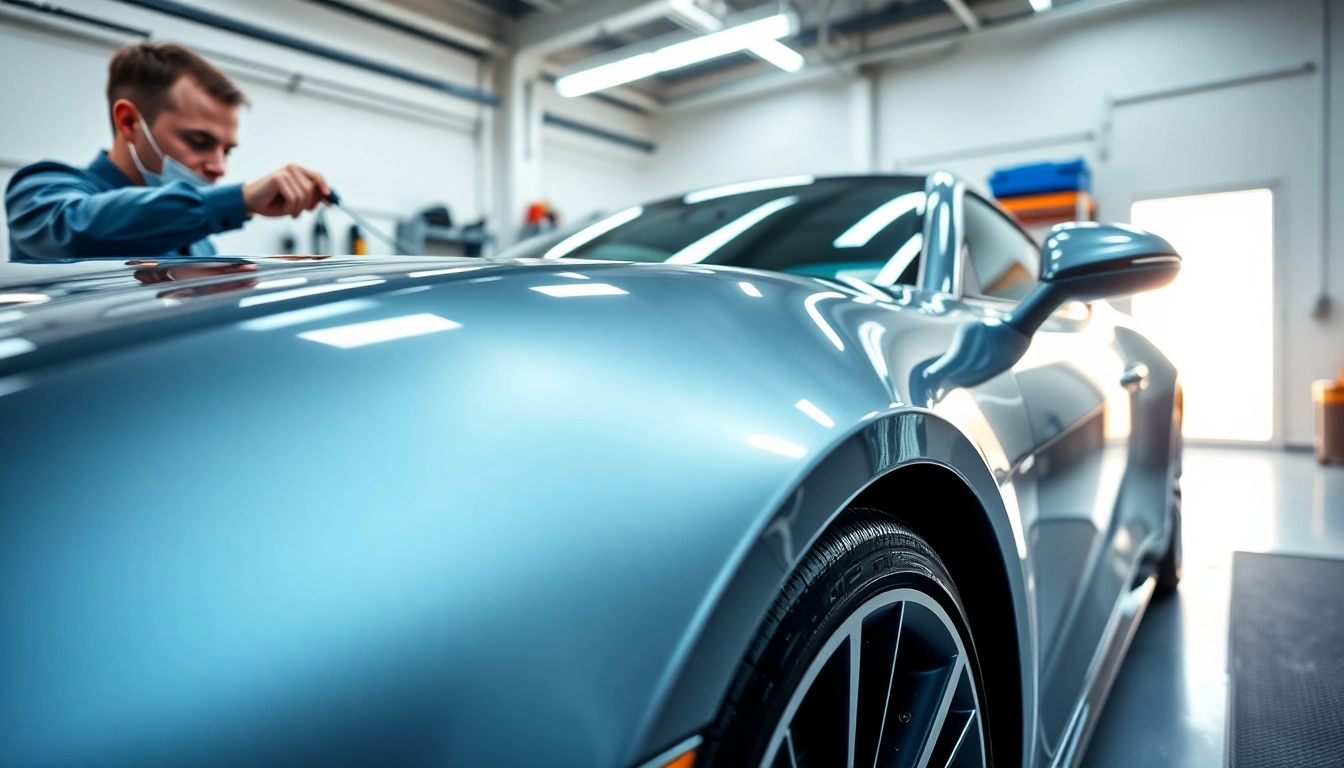
Understanding Paint Protection Film
What is Paint Protection Film?
Paint protection film (PPF) is a clear, durable polyurethane layer that is applied to the exterior surfaces of vehicles to protect them from various environmental factors. This includes UV exposure, road debris, scratches, and chemical spills. The film is designed to be transparent, allowing the underlying paint color and finish to shine through. It forms a protective barrier that not only maintains the aesthetic appeal of the vehicle but also enhances its resale value. For those searching for paint protection film near me, understanding the essentials of PPF helps in making an informed decision when choosing a service provider.
Benefits of Using Paint Protection Film
Investing in paint protection film provides several advantages:
- Protection Against Scratches and Chips: PPF forms a strong barrier against rocks, gravel, and other airborne debris that can scratch or chip the paint.
- Resistance to Stains: The film is resistant to chemical stains from things like bird droppings, tree sap, and bug splatter, keeping your vehicle looking clean and well-maintained.
- UV Protection: PPF shields the paint from harmful UV rays that can cause fading, oxidation, and discoloration over time.
- Self-Healing Properties: Many modern films have self-healing properties, meaning minor scratches can disappear with heat exposure, making maintenance hassle-free.
- Enhanced Resale Value: By preserving the vehicle’s exterior in pristine condition, PPF can help maintain or even increase resale value over time.
Common Myths About Paint Protection Film
Despite its benefits, misconceptions about paint protection film persist:
- Myth 1: PPF is Only for Luxury Cars: While high-end vehicles can benefit, anyone can protect their investment with PPF.
- Myth 2: PPF Dulls the Paint: A common fallacy is that PPF creates a matte or dull finish; in reality, it enhances the vehicle’s gloss.
- Myth 3: Once Applied, PPF Can’t Be Removed: This is untrue since professional installers can remove the film without damaging the paint underneath.
- Myth 4: All PPFs are the Same: The quality varies significantly, so opting for reputable brands ensures longer-lasting protection.
Choosing the Right Service for Paint Protection Film Near Me
Factors to Consider When Selecting an Installer
Finding the right installer for paint protection film can be a challenging task. Consider these factors when making your choice:
- Reputation: Research online reviews and ratings to gauge the installer’s reputation. Personal recommendations can also provide insights into quality.
- Experience: Look for an installer with a proven track record in applying PPF. Experience often correlates with better installation quality.
- Certifications: Certifications from manufacturers indicate that the installer is trained and recognized by the film’s producers, which can enhance trust in their services.
- Warranty: A reputable installer should provide a warranty for both the film and the installation, offering you peace of mind regarding the investment.
- Portfolio: Viewing previous work can be helpful. A professional who takes pride in their work will have a portfolio showcasing installations.
Questions to Ask Your Installer
Before choosing an installer, be sure to ask the following questions:
- What brands of PPF do you offer? Understanding the options available will help you select the best product for your needs.
- Can you explain the installation process? A reputable installer should be able to provide a detailed overview of what to expect.
- What’s the expected lifespan of the film? Knowing how long the protection will last helps you plan for future maintenance or replacement.
- Are there different thicknesses or finishes available? Ensure you understand the options available for your specific requirements.
- Do you offer post-installation support? Some installers provide follow-up service for caring for and maintaining the installation.
Researching Local Options
When searching for paint protection film near me, utilize the following strategies:
- Online Searches: Use local search engines and platforms to find installers nearby. Websites like Yelp and Google Maps can provide insights and ratings.
- Social Media: Platforms like Facebook and Instagram can showcase local businesses and customer reviews; follow local automotive pages for recommendations.
- Automotive Forums: Online communities can offer firsthand experiences and suggestions on reputable installers in your area.
- Local Car Shows: Attending events can connect you with installers and enthusiasts who might provide recommendations.
- Ask Your Mechanic: A trusted automotive professional can recommend a reliable PPF installer based on their experiences.
Application Process of Paint Protection Film
Preparing Your Vehicle for Application
Preparation is crucial for a successful PPF installation. Here’s how to get your vehicle ready:
- Thorough Cleaning: Wash and dry the vehicle to remove dirt, dust, and grease. A clean surface helps with adherence and minimizes imperfections.
- Paint Correction: If your vehicle has existing scratches or swirl marks, consider paint correction before installation. This ensures a flawless finish under the film.
- Environment: Ideally, the installation should be done in a controlled environment. A dust-free, climate-controlled garage is optimal to prevent contaminants from affecting the installation.
- Inspection: Check for any existing damage or imperfections in the paint that should be addressed before applying the film.
- Communicate: Discuss your preferences and any specific areas you want to prioritize with your installer before they begin the process.
Step-by-Step Installation Guide
The PPF installation process typically involves the following steps:
- Measurement and Cutting: The installer will measure the vehicle and cut the film to the appropriate size, often using computer-generated patterns for precision.
- Application: The film is applied using a solution that allows for repositioning. The installer will carefully align the edges and bubbles are smoothed out to ensure a flawless finish.
- Trimming: Once positioned, excess film is trimmed carefully around edges and contours to ensure a precise fit without affecting the underlying paint.
- Heat Activation: The film can be activated with heat, which helps it adhere better to the surface and aids in the self-healing process.
- Final Inspection: After installation, the vehicle is inspected for any imperfections or bubbles, which are addressed before the vehicle is returned to the owner.
Post-Installation Care for Your Film
Taking care of finished PPF is essential for longevity. Here are some care tips:
- Avoid Washing: Avoid washing your vehicle for at least two weeks after installation to ensure proper adhesion.
- Gentle Cleaning: Use a mixture of mild soap and water for cleaning after the waiting period, and always use soft microfiber towels to prevent scratching.
- No Waxing: Avoid applying wax or sealants to the film, as these can affect its clarity and self-healing properties.
- Inspect Regularly: Regularly inspect the film for signs of wear, scratches, or peeling. Early detection can lead to more effective repairs.
- Follow Recommendations: Always adhere to the installer’s specific care recommendations for maintaining the longevity of your paint protection film.
Cost Considerations for Paint Protection Film Near Me
Understanding Pricing Structures
The cost of paint protection film can vary based on several factors:
- Type of Film: Different grades of PPF offer varying levels of protection and features, which can impact the price.
- Coverage Area: The extent of coverage (full car, partial coverage, specific areas) will determine the overall cost.
- Installer Reputation: Premium installers with a solid reputation may charge higher rates due to their experience and the quality of their work.
- Geographic Location: Costs may also vary depending on your local market and demand for PPF services in your area.
- Add-On Services: Some installers offer additional add-on services, such as paint correction or ceramic coatings, which can increase overall expenses.
Comparing Costs with Competitors
It’s important to compare costs among local installers to find a competitive price:
- Get Quotes: Reach out to various installers to obtain quotes. Ensure they’re based on the same type of film and coverage to make an accurate comparison.
- Consider Value Over Price: The lowest price may not necessarily indicate the best value. Look for quality installations backed by warranties.
- Inquire About Discounts: Some installers may offer seasonal discounts or promotions, so ask about any available cost-saving options.
- Review Packages: Many installers provide package deals that can reduce costs if multiple services are desired concurrently.
- Consult Reviews: Research customer experiences and satisfaction, as a slightly higher cost may yield significantly better results and satisfaction.
Long-Term Savings with Paint Protection Film
Investing in paint protection film can lead to long-term savings:
- Reduced Paint Repair Costs: Protecting your vehicle’s paint can significantly decrease the need for expensive repairs due to chips, scratches, or fading.
- Enhanced Resale Value: By keeping the vehicle’s exterior in excellent condition, you can expect higher resale values compared to non-protected vehicles.
- Increased Longevity: A well-maintained car can last longer, reducing overall ownership costs due to fewer repairs and better performance.
- Less Frequent Detailing: Protection means you won’t have to detail your car as often, leading to savings over time.
- Insurance Benefits: Some insurance companies may offer lower premiums for cars with paint protection film, recognizing its preventative nature.
Maintaining Paint Protection Film
Cleaning and Maintenance Tips
Proper maintenance ensures your PPF remains effective and looking good:
- Regular Cleaning: Clean regularly with a mild soap solution and soft cloths to avoid dirt buildup and keep the surface clear.
- Check for Damage: Routinely inspect the film for signs of damage or lifting edges that may require professional attention.
- Avoid Harsh Chemicals: Keep clear of abrading or caustic products that can degrade the film and diminish its protective capabilities.
- Routine Waxing: While waxing is typically discouraged on PPF, products specifically designed for PPF can enhance shine without harming it.
- Follow Installer’s Guidelines: Always heed the recommendations of the installer on the care products and techniques suitable for your specific PPF.
Signs It Needs Replacement
Recognizing when it’s time to replace your PPF is critical:
- Yellowing or Discoloration: If the film starts to show yellowish hues or fades, it’s likely time for a replacement.
- Peeling Edges: Edges that start to peel away can trap dirt and moisture, which may compromise the film’s integrity.
- Visible Damage: Deep scratches or gashes that don’t self-heal or haven’t responded to cleaning may require replacement to ensure protection.
- Loss of Clarity: If the film appears cloudy or hazy, it’s an indicator that replacement is necessary to restore visual quality.
- Frequent Maintenance: If you find yourself constantly repairing or maintaining the film, it may be more cost-effective to replace it.
Benefits of Regular Inspections
Regularly inspecting your PPF can lead to numerous benefits:
- Early Detection: Catching wear and tear early can prevent more extensive repairs down the line.
- Extended Lifespan: Regular checks can help maintain optimal performance and prolong the lifespan of the film.
- Preserve Aesthetics: A well-maintained film contributes to the overall appearance of your vehicle, enhancing its look and resale value.
- Cost-Effective: Preventative inspections can save on repair costs and keep your vehicle in top condition for longer.
- Peace of Mind: Knowing that your vehicle is protected gives you confidence in your investment, allowing you to enjoy your vehicle fully.
Frequently Asked Questions
1. How long does paint protection film last?
Paint protection film typically lasts between 5 to 10 years, depending on the brand and maintenance.
2. Can paint protection film be repaired?
In most cases, minor scratches can be repaired, and damaged sections can be replaced without affecting the entire film.
3. How do I remove paint protection film?
Professional installers can safely remove the film without damaging the paint underneath, ensuring a smooth removal process.
4. Is paint protection film worth it?
Yes, it effectively protects your vehicle’s paint from scratches, UV rays, and environmental damage, making it a worthwhile investment.
5. Does paint protection film self-heal?
Many modern PPFs have self-healing capabilities, allowing minor surface scratches to disappear under heat.